Experience the best tours and activities in Turkey's most enchanting city
View Details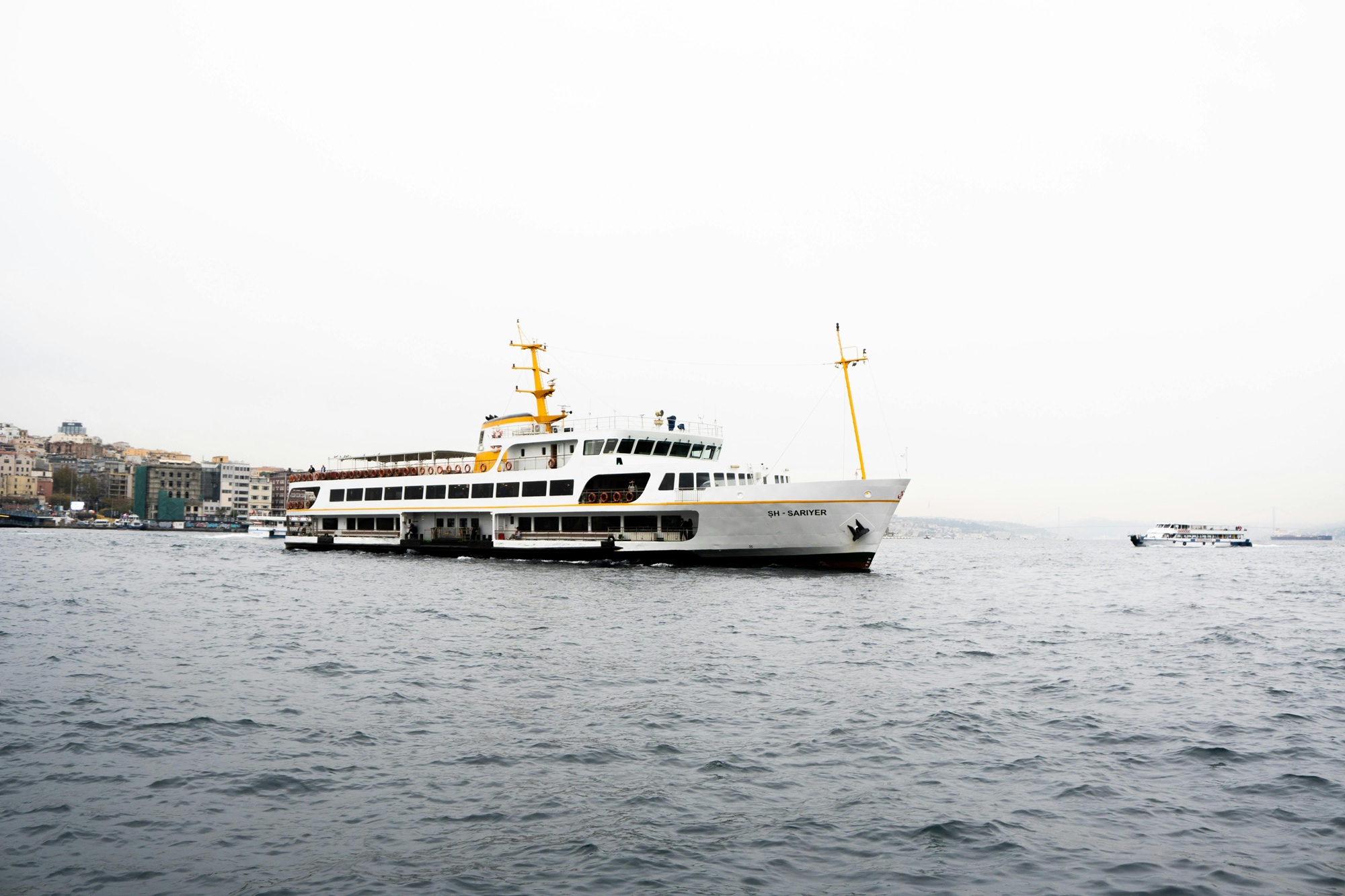
Experience the magic of Istanbul's Bosphorus Strait on a luxurious dinner cruise. Enjoy traditional Turkish cuisine, live entertainment, and breathtak...
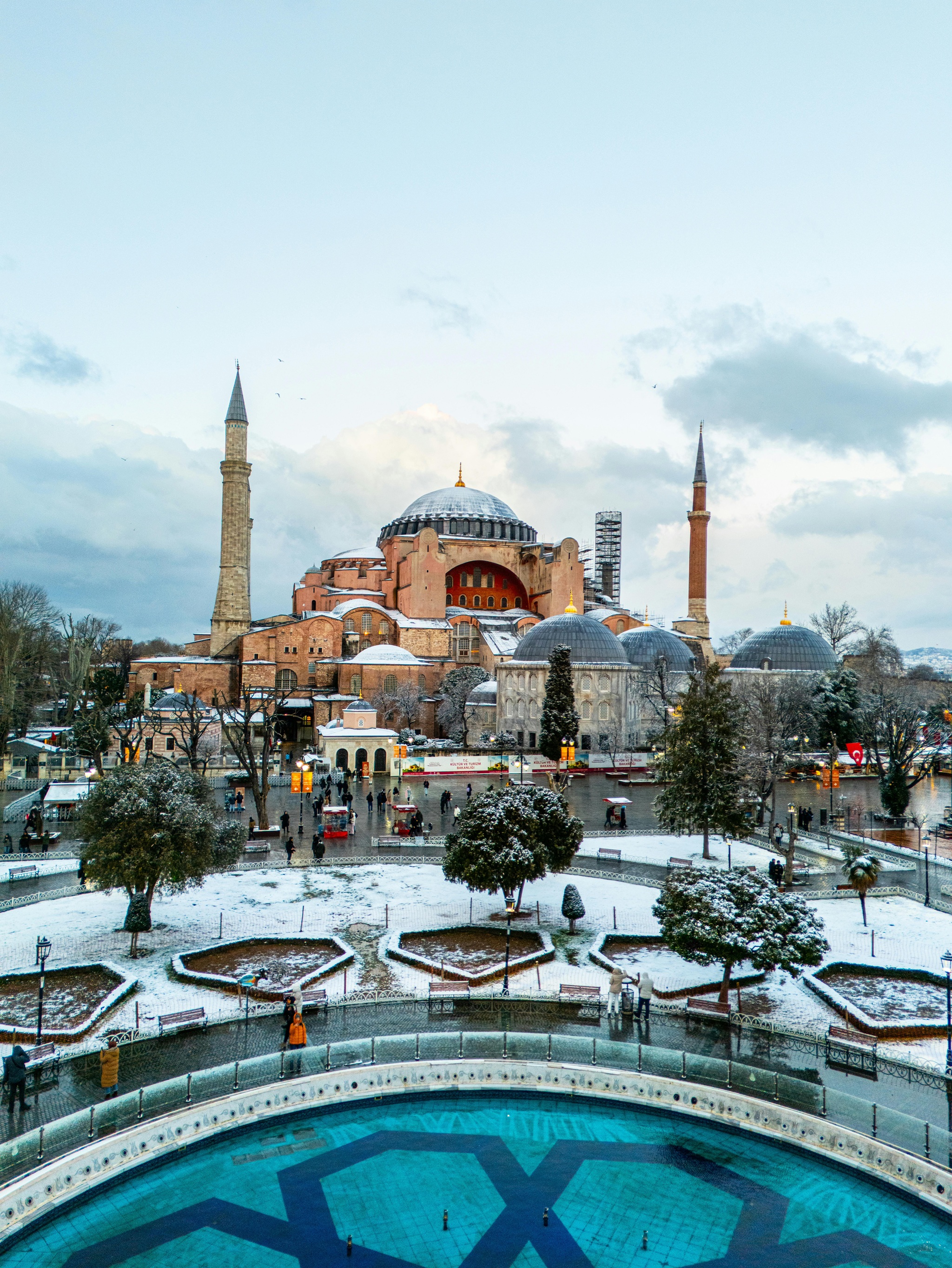
Discover the architectural wonders of Istanbul's most famous landmarks. This comprehensive guided tour takes you through the magnificent Hagia Sophia,...
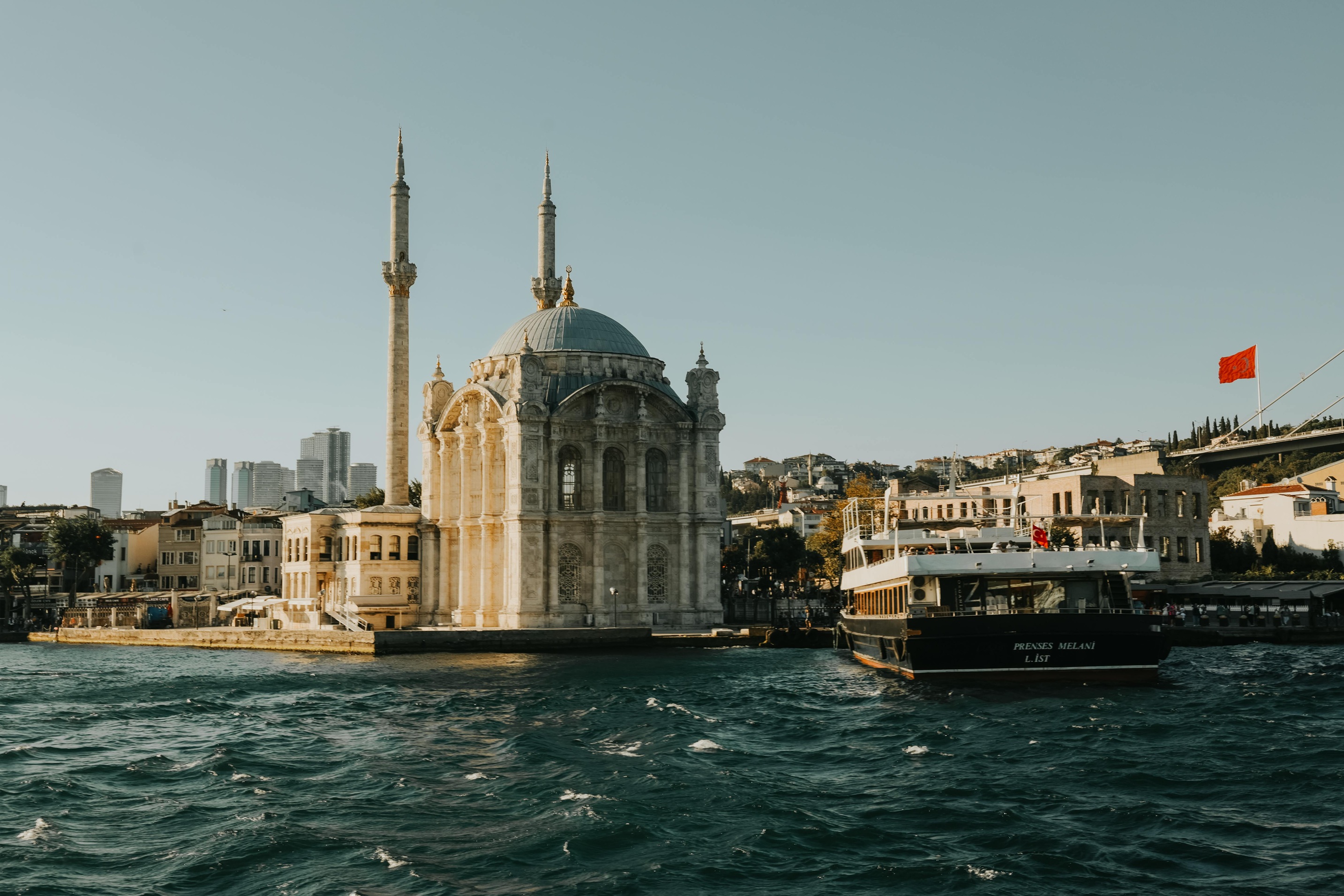
Sail in style on a private yacht tour of the Bosphorus. This exclusive experience offers personalized service, premium amenities, and the flexibility ...
We meticulously select the finest tours from Istanbul's most trusted operators. Each tour is personally reviewed to ensure exceptional quality, authentic experiences, and unforgettable memories. Our team has over 20 years of experience in the Turkish tourism industry.
We offer competitive rates with complete transparency - no hidden fees, no surprises. Our direct partnerships with tour operators allow us to provide the best prices while maintaining the highest service standards. Book with confidence knowing you're getting the best value.
Since 2005, we've been partnering with industry leaders like Viator and TripAdvisor to bring you the most reliable and highly-rated tours. All our partners are licensed, insured, and regularly inspected to ensure your safety and satisfaction.
Our dedicated support team is available around the clock to assist you with booking, questions, or any concerns. Whether you need help before, during, or after your tour, we're here to ensure your Istanbul experience is perfect.
Receive immediate booking confirmation via email. All tickets and vouchers are sent instantly, and you can access your booking details anytime. Our streamlined booking process saves you time and eliminates the stress of last-minute planning.
We understand that plans can change. Most tours offer free cancellation up to 24 hours before departure, giving you peace of mind and flexibility. Check individual tour details for specific cancellation policies.